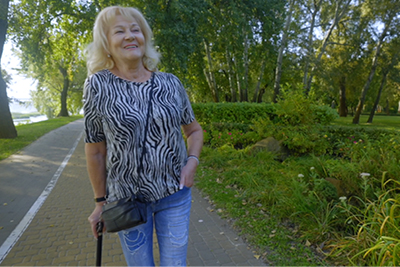
When pain disrupts your stride, progress becomes harder
Every journey forward begins with one step — but pain can make that step feel overwhelming.’
At Imaging at Olympic Park, we know how pain affects your performance, your routine, and your goals.
Our advanced imaging and interventional services can help identify the cause and guide your path forward.
Your next step starts today.
What is pain management?
Pain management is a specialised area of medical care focused on reducing or managing acute and chronic pain affecting the spine, joints, and soft tissues.
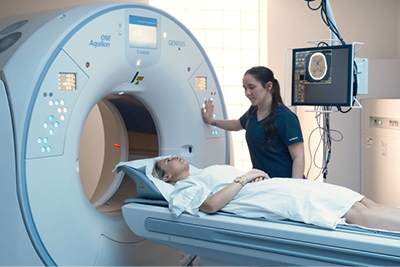
Image-guided procedures (also known as interventional procedures or interventional radiology) enable precise diagnosis and treatment by allowing radiologists to target the exact source of pain.
These treatments are commonly used when symptoms persist despite physiotherapy or medication.
Conditions we treat
We provide pain management for a range of conditions, including:
- Back and neck pain
- Sciatica and nerve pain
- Joint pain (shoulder, hip, knee)
- Arthritis and inflammation
- Sports injuries
- Tendon and soft tissue pain

Pain management treatments
Our radiologists perform a range of minimally invasive, image-guided procedures including:
Cortisone and Steroid injections
Reduce inflammation and relieve pain in joints, tendons and surrounding tissues
Nerve root injections
Target irritated or compressed nerves to reduce pain signals and inflammation.
Facet joint injections
Treat pain arising from the spine due to arthritis or degeneration.
Epidural Injections
Deliver medication into the epidural space to manage chronic back and nerve pain.
Platelet-rich plasma (PRP) therapy
Supports the body’s natural healing process by using concentrated platelets from your blood.
These procedures are typically performed under CT or ultrasound guidance for accuracy and safety, helping deliver treatment directly to the source of pain.
Benefits of image-guided pain management
- Targeted treatment of the pain source
- Minimally invasive procedures
- Reduced reliance on long-term medication
- May delay or avoid surgery
Image-guided techniques allow precise delivery, improving outcomes and reducing risk compared to non-guided approaches.
What to expect
Before your appointment
You will need a referral from your doctor. Our team will help guide you through booking and preparation.
During the procedure
- Performed using CT or ultrasound guidance
- Usually completed under local anaesthetic
- Typically quick and minimally invasive
After your procedure
Most patients can return to normal activities shortly after, with follow-up managed through your referring doctor.
Frequently Asked Questions
Do I need a referral for pain management?
Yes, a referral from your GP or specialist is required for most procedures.
Are pain management injections safe?
Image-guided injections are commonly performed and designed to improve accuracy and safety.
How long does pain relief last?
Relief can vary depending on the condition and treatment. Some patients experience improvement within days to weeks.
Will I need time off after the procedure?
Most procedures are minimally invasive, and many patients return to normal activities shortly after.
What types of pain can be treated?
Pain management can help with spinal pain, joint pain, nerve pain and soft tissue conditions.
Personalised Care and Fast Results
At Imaging @ Olympic Park, we understand the importance of timely results.
We strive to provide prompt and accurate reports, allowing you and your healthcare provider to make informed decisions about your health.
Our personalised approach ensures that each patient receives the care and attention they deserve.